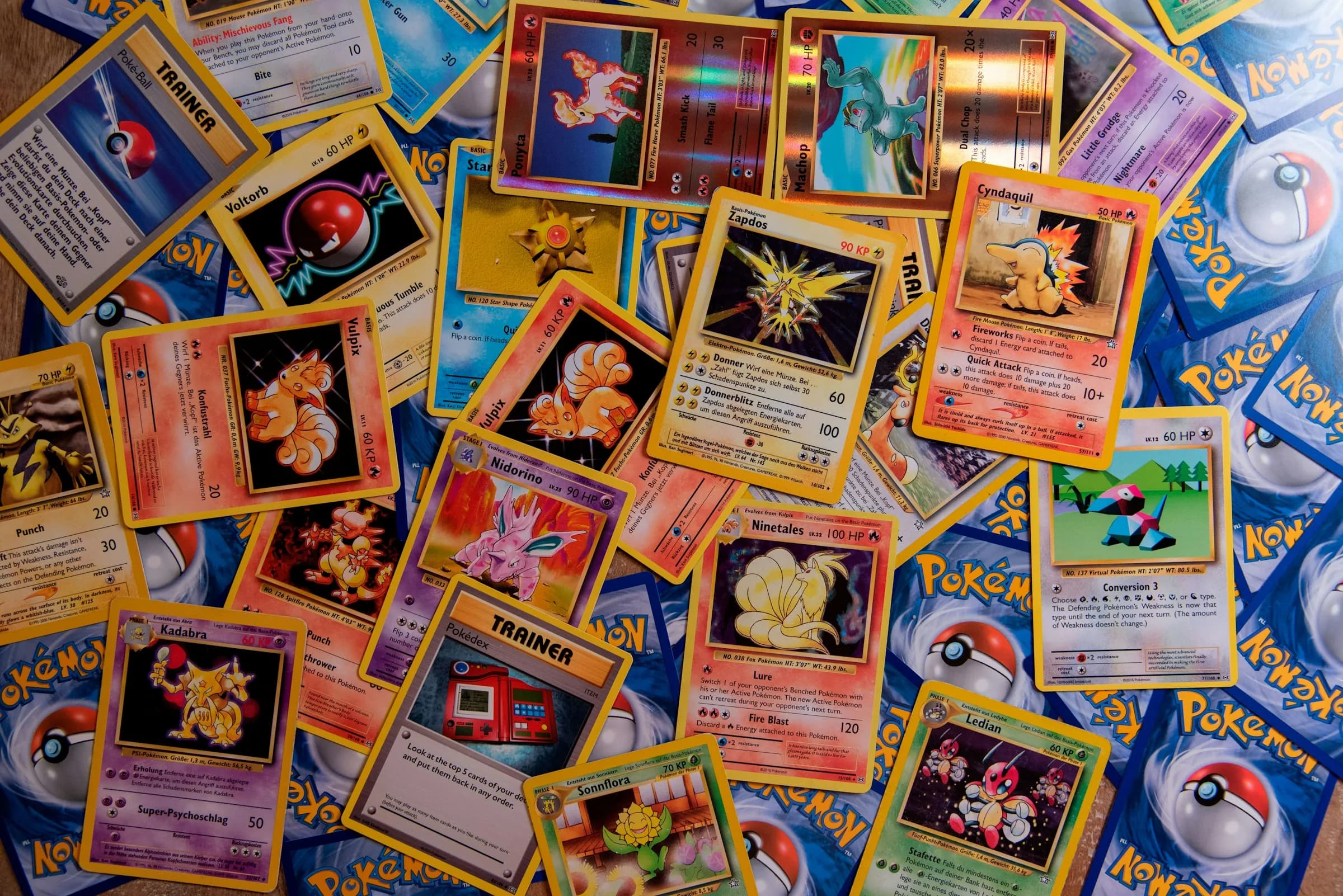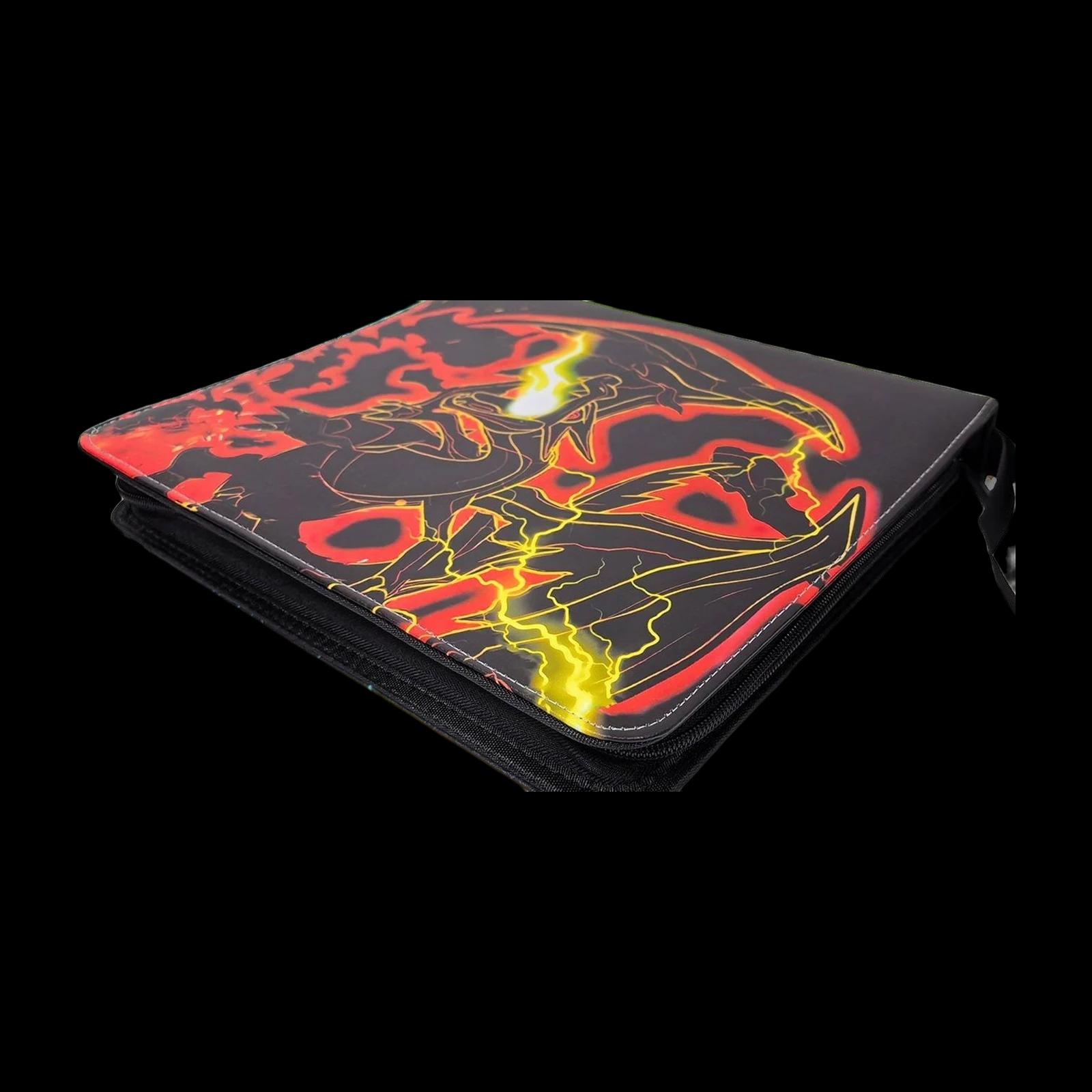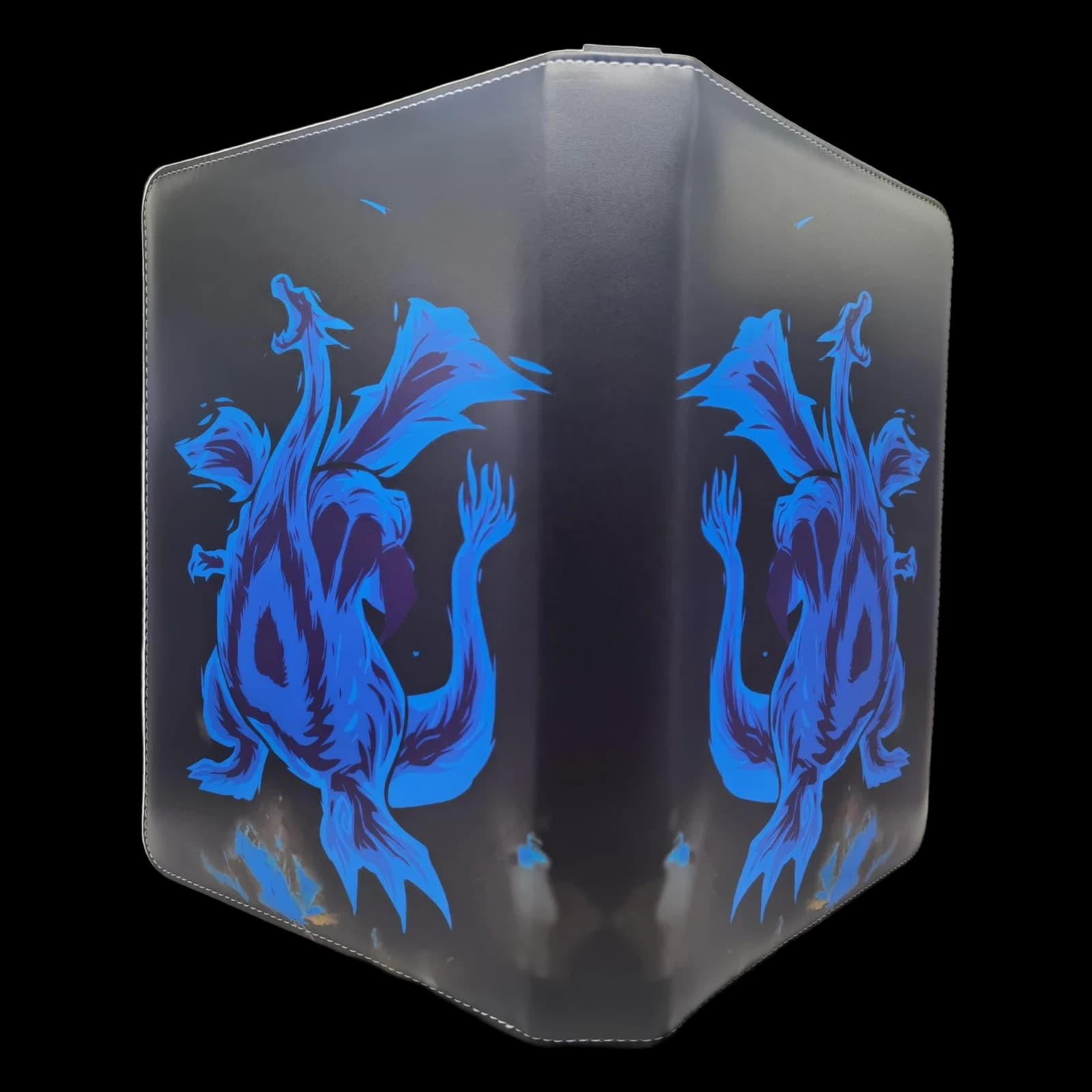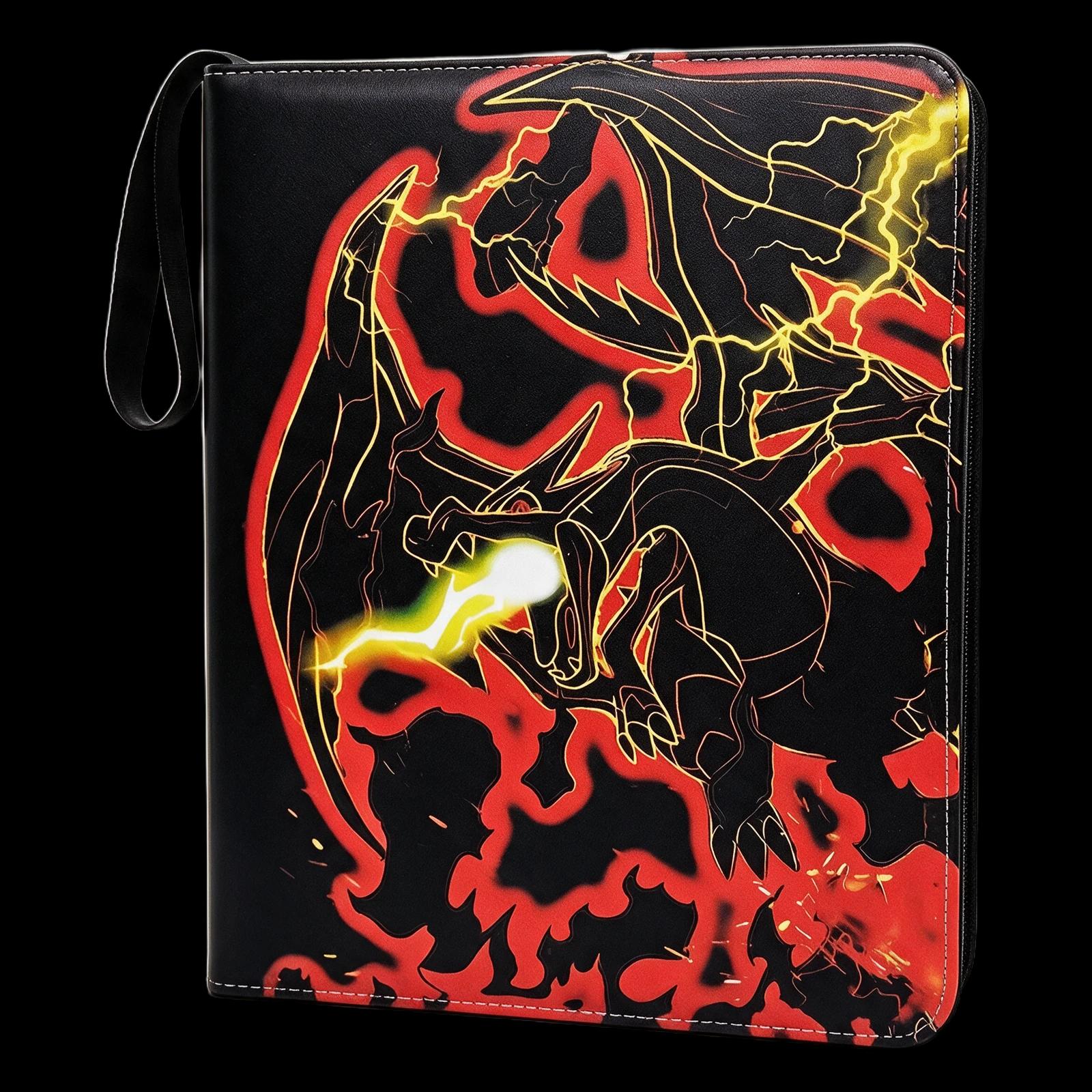
A binder full of cards is only really fun when you can find what you are looking for. But how do you arrange it? There is no right or wrong way, just a way that fits your collection. Here are five popular ways to organise Pokémon cards, and how they work in a binder with 4 or 9 pockets per page.
Sort on the table first, then in the binder
Start with an empty table and sort your cards into piles first. Only when you know how you want to arrange them do they go into the binder. That keeps you from sliding cards in and out of pockets again and again, which causes wear. Only handle cards with clean, dry hands.
1. By set and set number
This is the most common method for collectors who want to complete sets. Every Pokémon card has a set symbol and a number at the bottom, for example 025/165. The first number is the card's place in the set, the second is the number of cards in the set. Cards numbered higher than that total are extra rare cards, also called secret rares.
Put your cards in the binder in number order and leave a pocket empty for every card you are still missing. That way you see straight away what is left. A binder with 9 pockets per page, like the Red Blaze Dragon, works well for this: it shows nine consecutive cards side by side.
2. By Pokédex number
Every Pokémon has a number in the National Pokédex, starting with Bulbasaur at number 1. By now there are more than a thousand. Sort by that, and every evolution line sits neatly together, whatever set a card comes from. Many collectors try to own one card of every Pokémon this way, a living dex. You do need a lot of room for that, so count on several large binders.
3. By type
Sort by energy type and your binder gets chapters: Grass, Fire, Water, Lightning and so on, with Trainer and Energy cards at the back. That is handy if you play and want to grab cards for a deck quickly. It also looks great, because every page has roughly one colour.
4. By rarity
Want to show off your best cards? Sort by rarity. Full arts, illustration rares and other highlights at the front, common cards at the back. That way your binder opens with your best work. A small binder with 4 pockets per page works well here, because every card gets more room on the page. Do sleeve your most valuable cards, see sleeves, toploaders or a binder.
5. By what you use them for
You can also sort by purpose: one binder for favourites, one for trade cards and one for the cards you play with. That is especially handy if you often go to game nights or trading events, because then you only bring the trade binder. Read how to do that safely in taking your cards to a trading event.
2 × 2 or 3 × 3: what difference does the page make?
A 3 × 3 page shows nine cards, and an open binder eighteen. That suits sets and Pokédex order. A 2 × 2 page shows four, and eight when open. That feels calmer and suits a selection or your favourites. Read the difference in 4-pocket vs 9-pocket.
Leave room to grow
Whatever you choose: keep some empty pockets free for new cards. Otherwise you have to shift half the binder for every new card. A few empty pages at the back also leave room for the next set. When your binder is full, get a second one instead of doubling up cards in a pocket. See all binders.