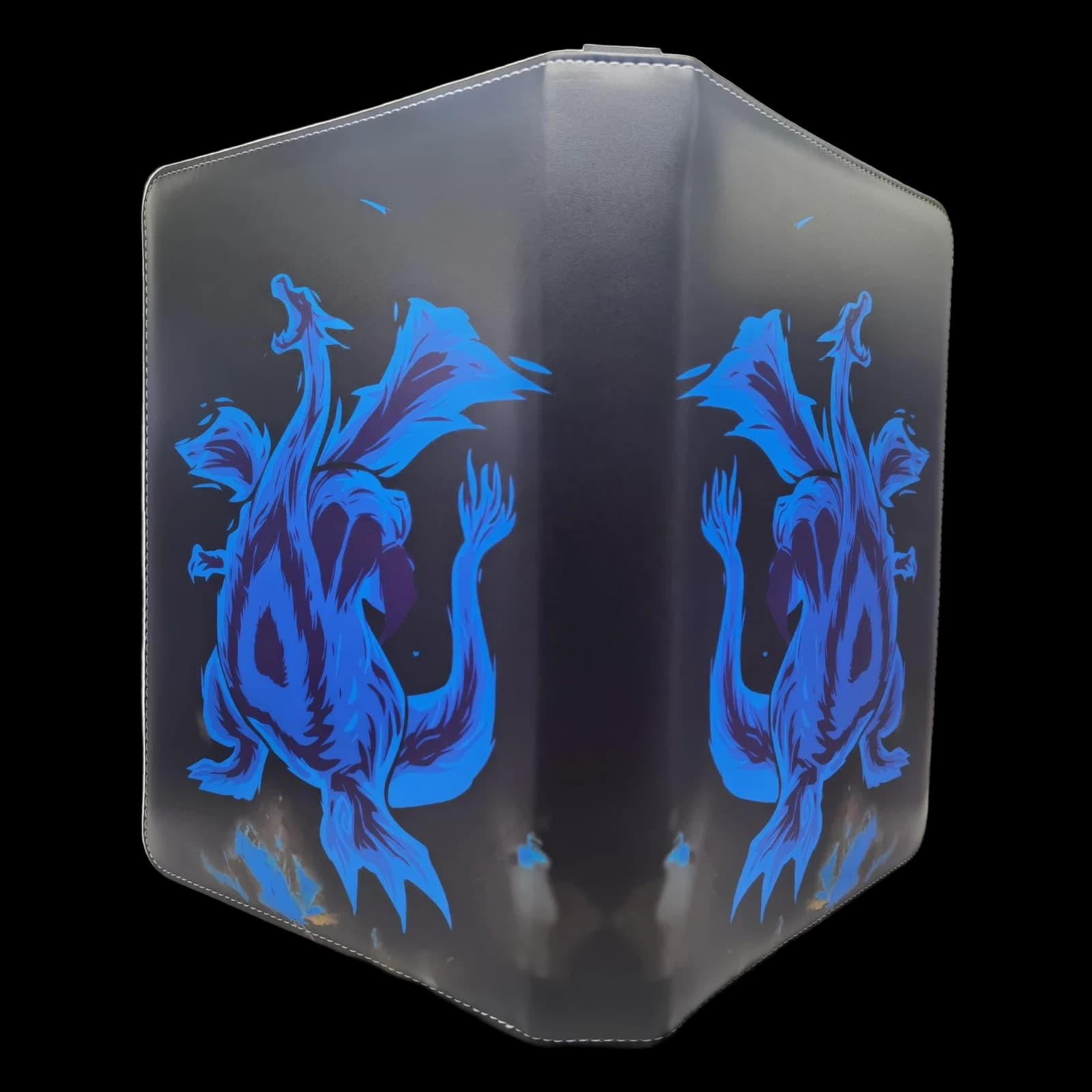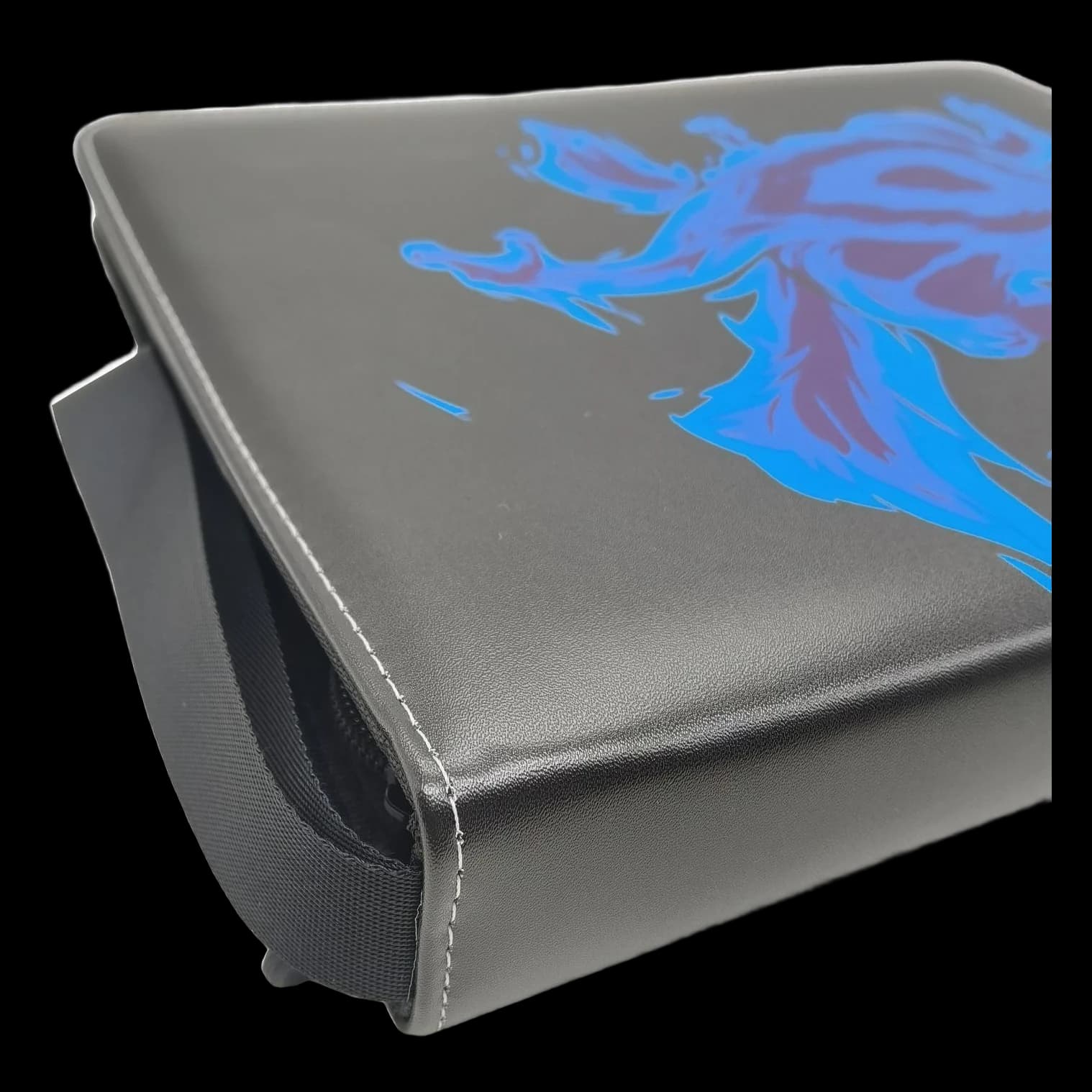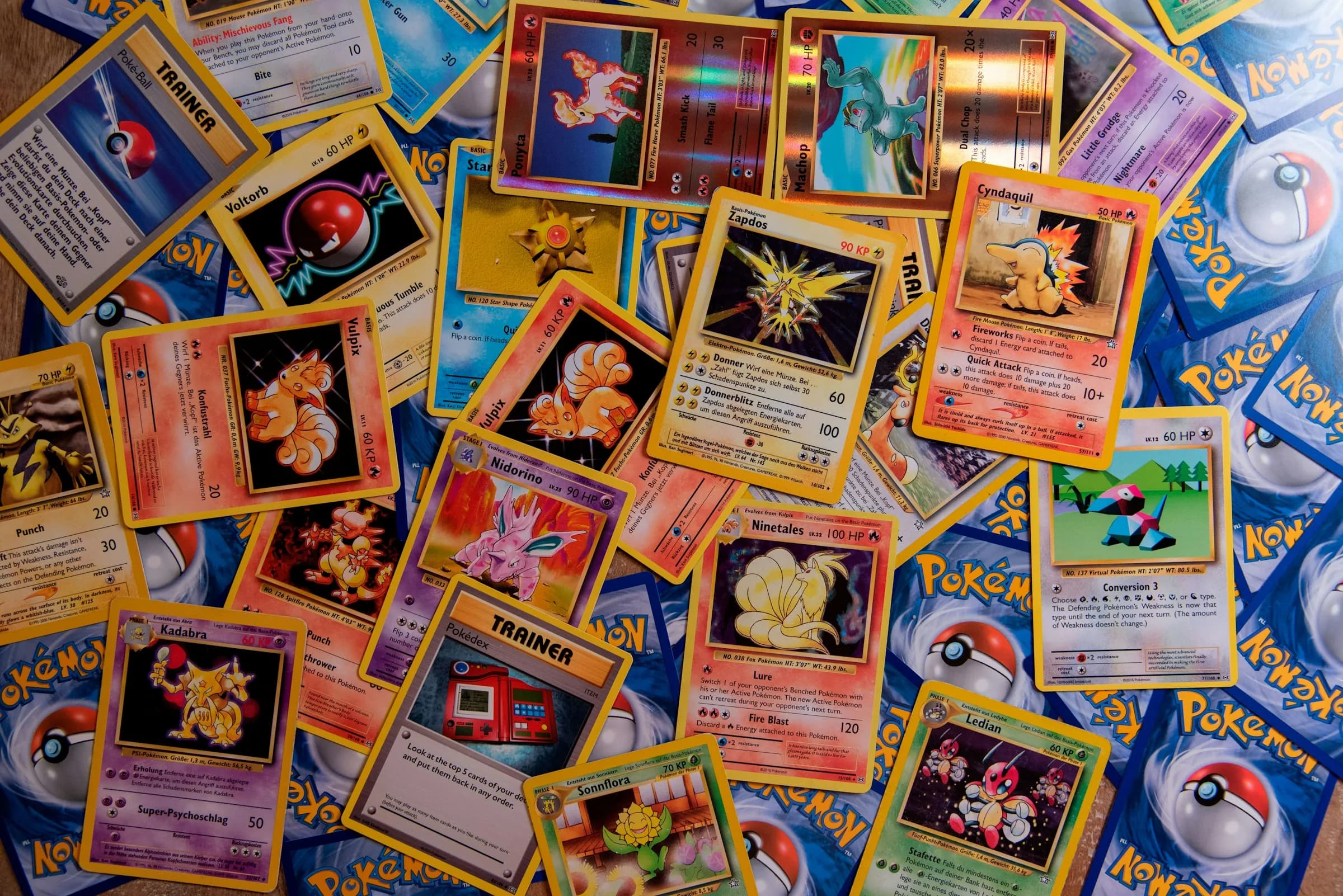
Saturday morning, ten o'clock. You walk into a hall full of tables, binders, display cases and people who are just as excited as you are. You had a plan: buy one card. That one card you have been hunting for months. A few hours later you are back outside. With that one card, yes. But also with a stack of trade cards, three loose boosters, a few "that was way too cheap to leave behind" cards and a bag of bulk you got for next to nothing.
Anyone who has ever been to a Pokémon card show knows the feeling. And then the real work starts: where do you put it all? In this article we take you from the show floor to your bookshelf. With tips for the day itself, a step-by-step plan for when you get home and an honest answer to the question of which binder you need.
Why you always buy more than planned at a Pokémon card show
It is not just you. At a show, everything comes together: hundreds of cards within a few metres, sellers who have exactly that one card, and other collectors telling you what they scored today. You see the cards for real, you can hold them and you can trade on the spot. That feels very different from scrolling through a web shop.
On top of that, you often think: if I leave it now, it will be gone later. Sometimes that is even true. We all know the result: by the end of the day your bag is a lot fuller than it was that morning.
That is not a bad thing at all. A show is fun precisely because you find things you were not looking for. You just need to make sure all those new cards get home in one piece and then find a good place to live.
Before the show: what to bring
If you go well prepared, you come back with fewer damaged cards. These fit easily in a backpack:
- A small binder with your trade cards. That way you can show what you have without pulling loose stacks out of your bag. A 4-pocket binder is ideal: compact, and with a zip your cards stay in if someone bumps your table.
- A pack of penny sleeves. Buy a loose card without a sleeve and it goes straight in.
- A few toploaders. For that one expensive card you really want to protect.
- A sturdy box or case for your purchases. Loose cards in your coat pocket or next to your sandwiches: one day that goes wrong.
- A want list. Write down which cards you are looking for and roughly what you want to spend. More on that below.
At the show: keep your cards safe
A full hall is busy. People walk past with bags, there are cups of drink on the tables and you swap cards with others all day. A few habits make a big difference:
- Sleeve straight away. Buy or trade a card, and put it in a sleeve immediately. Plenty of sellers hand you one anyway.
- Keep your binder closed. Don't leave your binder open on a table while you browse. A zip binder closes in a few seconds.
- Look closely before you buy. Tilt a card under the light. Are the corners sharp? Are the edges on the back white? Is there a scratch on the holo? A good seller will not mind you taking a look.
- Watch your drinks. Don't put your bottle next to your binder. One knock is all it takes.
At home: the big unpacking night
You are home and the bag is on the table. Don't throw everything in a drawer "to deal with later". Take an hour and do it properly right away. Wash your hands first, clear and dry the table, and lay everything out in front of you.
Step 1: sort into four piles
- Top cards. Your most expensive or most special cards.
- Set cards. Cards you want to keep for your collection, or to complete a set.
- Trade cards. Duplicates and cards you want to trade or sell.
- Bulk. Ordinary cards you don't do much with, but don't want to throw away either.
Step 2: top cards in a sleeve and a toploader
Your top cards get the best protection: first a sleeve, then a toploader. That way they cannot bend or get scratched. Keep them in a fixed spot so you don't lose them.
Step 3: set cards in your big binder
Your set cards deserve a place where you can actually look at them. A big 9-pocket binder works best. Open it and you see 18 cards at once, and you can tell straight away which numbers you are still missing. Sort by set number: when you buy more cards later, you know exactly where they go.
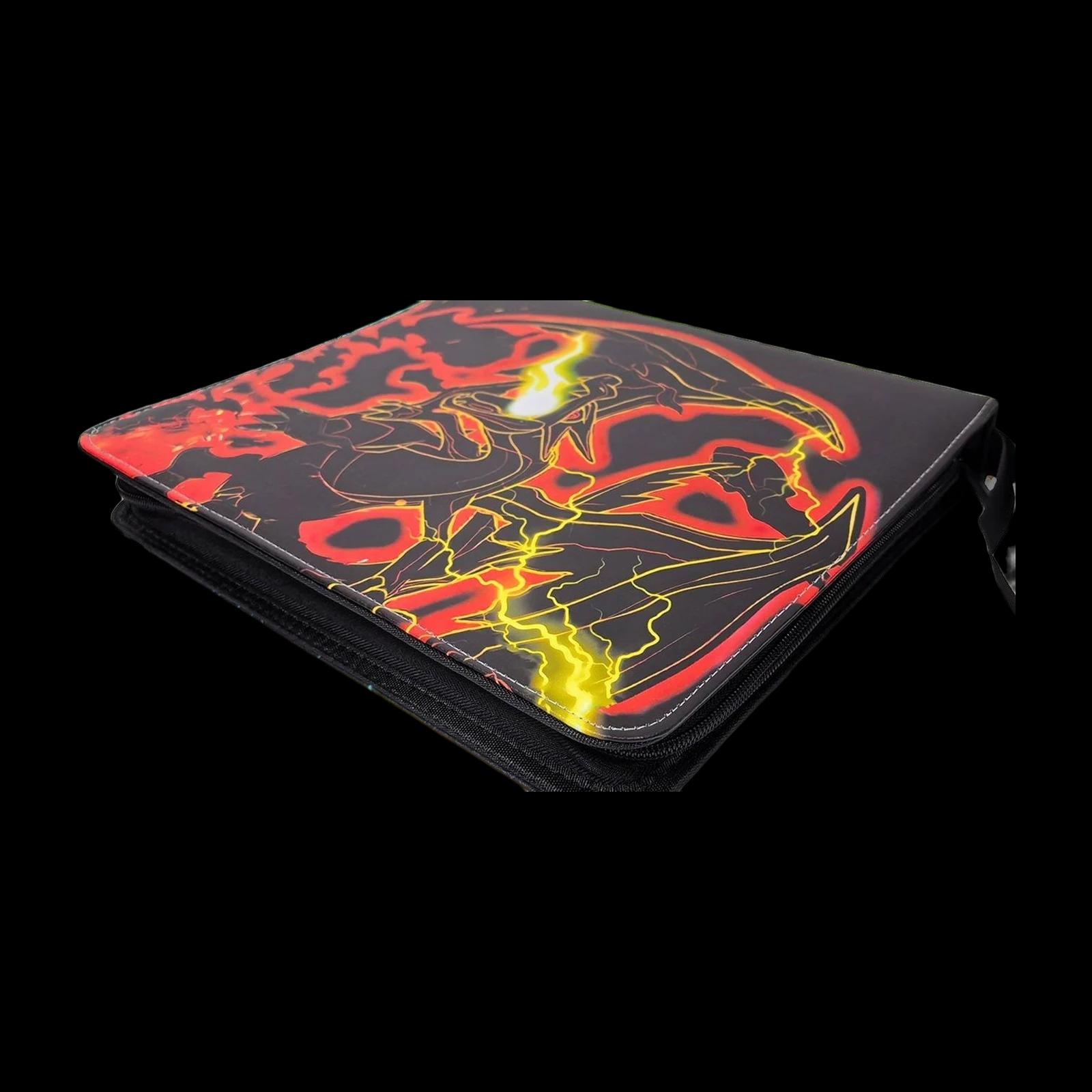
Step 4: trade cards in your small binder
Your trade cards go in your small binder. Next time, you simply take it with you again. You are prepared straight away and don't have to work out all over again which cards you have twice.
Step 5: bulk in a box
Bulk does not need a binder. A sturdy card box is fine, as long as the cards stand upright and are not packed too tightly. Keep the box somewhere dry indoors, not in the attic or the shed.
Where does each card go? The overview
- Top cards: sleeve and toploader, in a fixed spot.
- Set cards: in a big 9-pocket binder, in order.
- Trade cards: in a small 4-pocket binder, ready for the next show.
- Bulk: upright in a sturdy box.
- Unopened boosters: somewhere dry and cool, out of the sun and away from the radiator.
How many cards actually fit in a binder?
Let's do the maths, because it is usually less than you think. Say you came home with 120 cards you want to keep.
- A 9-pocket binder holds 9 cards per side, so 18 per sheet. For 120 cards you need 7 sheets. Our Red Blaze Dragon has 50, good for 900 cards.
- A 4-pocket binder holds 4 cards per side, so 8 per sheet. For 120 cards you need 15 sheets. Our Blue Blaze Dragon has 45, good for 360 cards.
So after one show, neither binder is full. After three or four more, it is a different story. Not sure which size suits you? In 4-pocket vs 9-pocket binder: which one fits your collection? we compare them side by side.
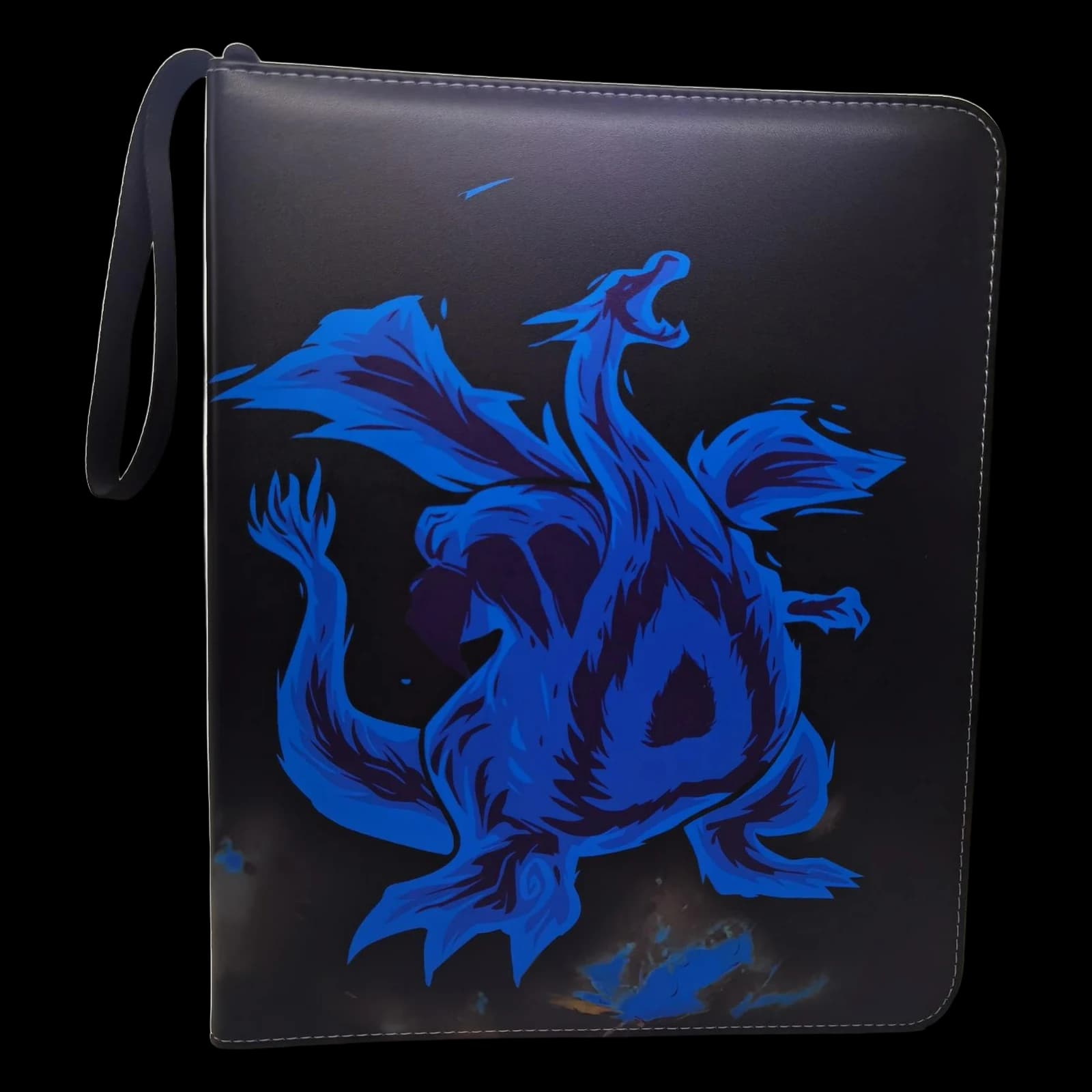
The next Pokémon card show: buy smarter
A few tips so you come home just as happy next time, with fewer regrets:
- Make a want list. Write down which cards you are missing. With a binder sorted by set number, you see that at a glance.
- Set yourself a budget. Bring a fixed amount and keep track of what you spend.
- Check the price. Not sure about a price? Look the card up on a big card marketplace such as Cardmarket. Then you know whether a deal really is a deal.
- Bring your trade binder. Trading costs nothing and is often just as much fun as buying.
- Walk a lap first. Check every table before you buy. The card you see at the first table is often at the fifth one too. Sometimes for less.
To keep your cards looking good for years afterwards, read How to store Pokémon cards and keep them looking new.
Conclusion
A Pokémon card show nearly always ends with more cards than you planned. That is part of the fun. With four piles, a few sleeves and toploaders, a big binder for your collection and a small one for your trade cards, everything is sorted in one evening. And next time, you just take your trade binder along again.